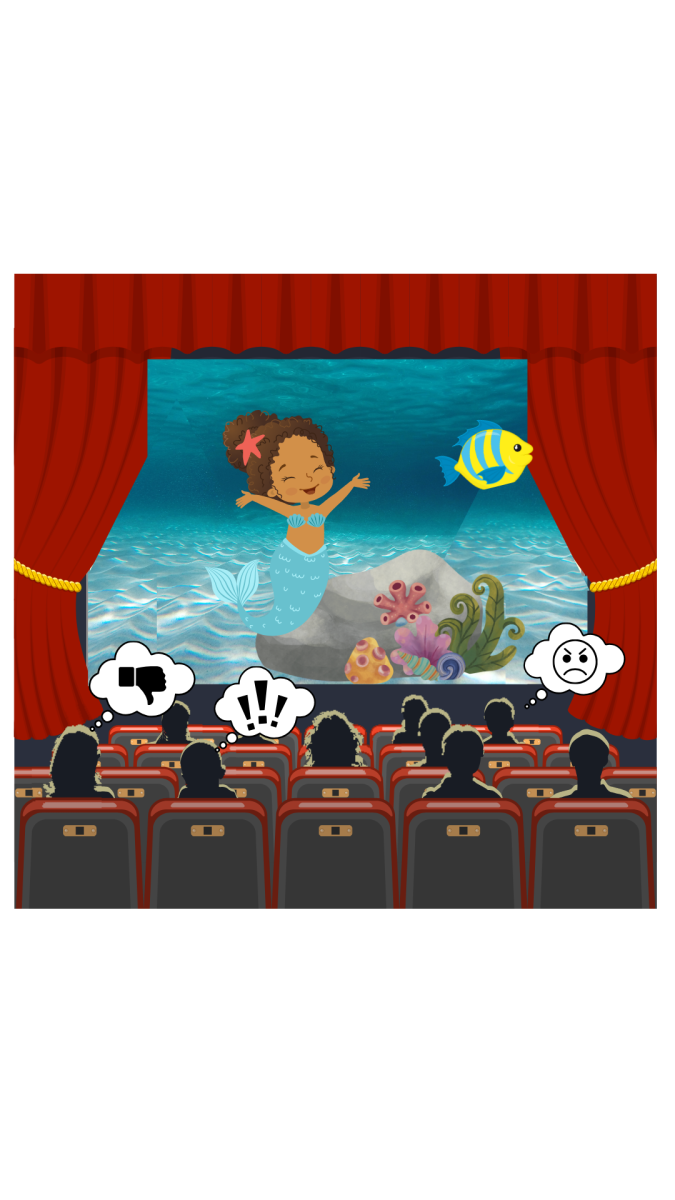
Nowadays, the development of movies has taken a toll from social media backlash and mixed reactions. Before the release date, we often see a hate train rallying up a negative reputation for a film. Whether it be dislike for certain actors, or distaste in plot, collectively movie studios are struggling to grasp an audience to come back and see more. While ultimately, filmmaking is supposed to connect people together, online hate has ruined the way movies are perceived and limits the creation of them. Without filmmaking, there are no shared dreams, or collective imagery, to remind us who we are.
One bad critique can spread like wildfire and serve as an unreliable source of opinion. Even though many forget to consider the time, money, and hard work of the production team to get their movie out there into screening. This hate can all be very limiting in funding decisions, and risks studios want to take.
Creativity can often be condensed as viewers may not find it appealing, or worth it enough for producers to make. Media interest is constantly evolving, but it only feels like disposable content is being reciprocated. Notably for the past couple of years, Disney has struggled with the negative feedback in the production of their movies throughout the years. Animated movie classics like The Little Mermaid and Snow White made into live action have both received immense criticism and low box office numbers.
With addition of new ideas, and diverse actors, fans expressed distaste across social media. Movie franchises now struck with the decision of an original idea, or a readaption of a film. Studios are now starting to lean into sequels, and reboots. Both taking a risk, resulting in questionable success as the popularity of the film can lead to good or bad.
Filmmaking should be celebrated and welcomed by society to bring in more creative views and ideas. As a society we need artistic growth and innovation in films as it pushes us forward. The joy of filmmaking comes from imaginative freedom, straight from the creative department of our brains. If we were all to refurnish old ideas, where’s the originality and surprise? New concepts are key elements that need to be encouraged and not shut down by critics online.
Movies visually show us what we want and need to see about the world, told in various ways. The negative impacts of social media can insecure creators, and doubt their work. Throughout the years, discouraging voices online have overshadowed genuine appreciation, creating a culture where tearing down is normalized. The industry as a whole suffers, especially with the reliability of using streaming services as a safety net.
On streaming services, audiences can turn off a film after a couple minutes if they’re bored. This makes it harder for more unpopular films to get a chance. As fans online have become hypercritical, attacking films and actors if they don’t meet specific expectations. Resulting in filmmakers becoming more comfortable in designing culturally irrelevant films, weakening the longevity of cinema as an art form.
To future filmmakers and writers, online hate can seem very daunting and difficult to place their work out to the public. Particularly aimed at the art community, people describe these careers with an exaggerated perception of failure and low income. When it should be given more of a chance, and embrace. As creativity is not a weakness, but is the very force that moves culture, inspires audiences, and keeps the essence of film alive.